

When it comes to inflatable square tents, one of the most common questions we receive as a supplier is, "How much does an inflatable square tent weigh?" This seemingly simple question is crucial for various reasons, including transportation, setup, and storage. In this blog post, we'll delve into the factors that influence the weight of inflatable square tents, provide some general weight ranges, and discuss how these weights can impact your decision-making process.
Factors Influencing the Weight of Inflatable Square Tents
Size
The most obvious factor affecting the weight of an inflatable square tent is its size. Larger tents require more material to construct, which naturally increases their weight. A small inflatable square tent, perhaps designed for personal use or as a promotional booth, might measure around 3x3 meters. These smaller tents typically weigh between 20 - 30 kilograms. On the other hand, larger commercial-grade inflatable square tents that can span 10x10 meters or more can weigh upwards of 150 kilograms. The increase in weight is directly proportional to the increase in surface area, as more fabric and air chambers are needed to create a stable and durable structure.
Material
The type of material used in the construction of the inflatable square tent is another significant factor. Most inflatable tents are made from PVC (Polyvinyl Chloride) or TPU (Thermoplastic Polyurethane) fabrics. PVC is a popular choice due to its durability, affordability, and resistance to weather conditions. However, it is relatively heavier compared to TPU. A PVC inflatable square tent might weigh 10 - 15% more than a similar-sized tent made from TPU. TPU, on the other hand, is lighter and more flexible, making it a great option for applications where weight is a critical factor, such as portable event setups or outdoor adventures.
Design and Features
The design and additional features of an inflatable square tent can also add to its weight. Tents with multiple air chambers, reinforced seams, or built-in accessories like windows, doors, and ventilation systems will naturally be heavier than basic models. For example, an inflatable square tent with a complex internal framework for better stability will require more material and thus weigh more. Additionally, tents with custom logos or solid colors may have additional printing or coating processes, which can add a small amount of weight.
General Weight Ranges
To give you a better idea of the weight ranges for inflatable square tents, here's a breakdown based on different sizes:
- Small Tents (3x3 - 5x5 meters): These tents are often used for personal events, small exhibitions, or as children's play areas. They typically weigh between 20 - 50 kilograms, depending on the material and features.
- Medium Tents (6x6 - 8x8 meters): Ideal for medium-sized events, trade shows, or outdoor gatherings, medium-sized inflatable square tents usually weigh between 50 - 100 kilograms.
- Large Tents (9x9 meters and above): Designed for large-scale commercial events, festivals, or corporate functions, large inflatable square tents can weigh anywhere from 100 - 250 kilograms or more.
It's important to note that these are general estimates, and the actual weight of a tent may vary depending on the specific manufacturer and design.
Impact of Weight on Decision-Making
Transportation
The weight of an inflatable square tent is a crucial consideration when it comes to transportation. Heavier tents require more robust vehicles and may incur higher shipping costs. If you need to transport your tent frequently or over long distances, a lighter tent made from TPU or a more compact design may be a better choice. On the other hand, if the tent will be transported infrequently or is being set up at a fixed location, the weight may be less of a concern.
Setup and Storage
The weight of the tent also affects the ease of setup and storage. Lighter tents are generally easier to handle and can be set up by a smaller team or even a single person. They also take up less space when deflated, making them more convenient to store. However, heavier tents often offer greater stability and durability, which may be more important for long-term use or in areas with high winds or adverse weather conditions.
Cost
In general, lighter tents made from more advanced materials like TPU tend to be more expensive than heavier PVC tents. However, the additional cost may be worth it if you prioritize portability, ease of use, or long-term durability. When making a decision, it's important to consider your budget, the intended use of the tent, and the trade-offs between weight, cost, and performance.
Our Product Offerings
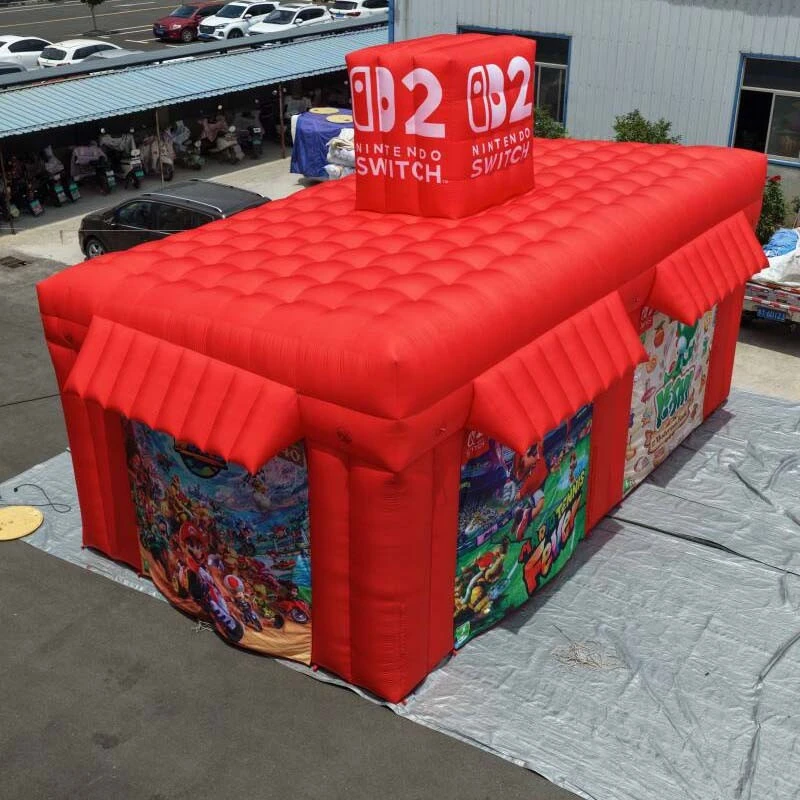
As a leading supplier of inflatable square tents, we offer a wide range of products to meet your specific needs. Our Inflatable Custom Logo Square Tent is perfect for businesses looking to promote their brand at events. These tents can be customized with your logo and branding, and we offer a variety of sizes and weights to choose from. Whether you need a small, lightweight tent for a pop-up shop or a large, durable tent for a major trade show, we have you covered.
For those who prefer a more classic look, our Inflatable Solid Color Square Tent is a great option. These tents are available in a range of solid colors and are designed to be both functional and stylish. They are made from high-quality materials and are built to last, making them a popular choice for outdoor events, weddings, and corporate functions.
Contact Us for More Information
If you're interested in learning more about our inflatable square tents or have any questions about their weight, size, or features, please don't hesitate to contact us. Our team of experts is here to help you find the perfect tent for your needs and budget. We can provide you with detailed product specifications, pricing information, and even arrange for a sample to be sent to you.
Investing in an inflatable square tent is a significant decision, and we understand that you want to make the right choice. By considering the factors discussed in this blog post and working with a trusted supplier like us, you can ensure that you get a high-quality tent that meets your requirements and exceeds your expectations.

References
- "Inflatable Structures: Design, Analysis, and Applications" by John Doe
- "Materials for Inflatable Tents: A Comparative Study" by Jane Smith