

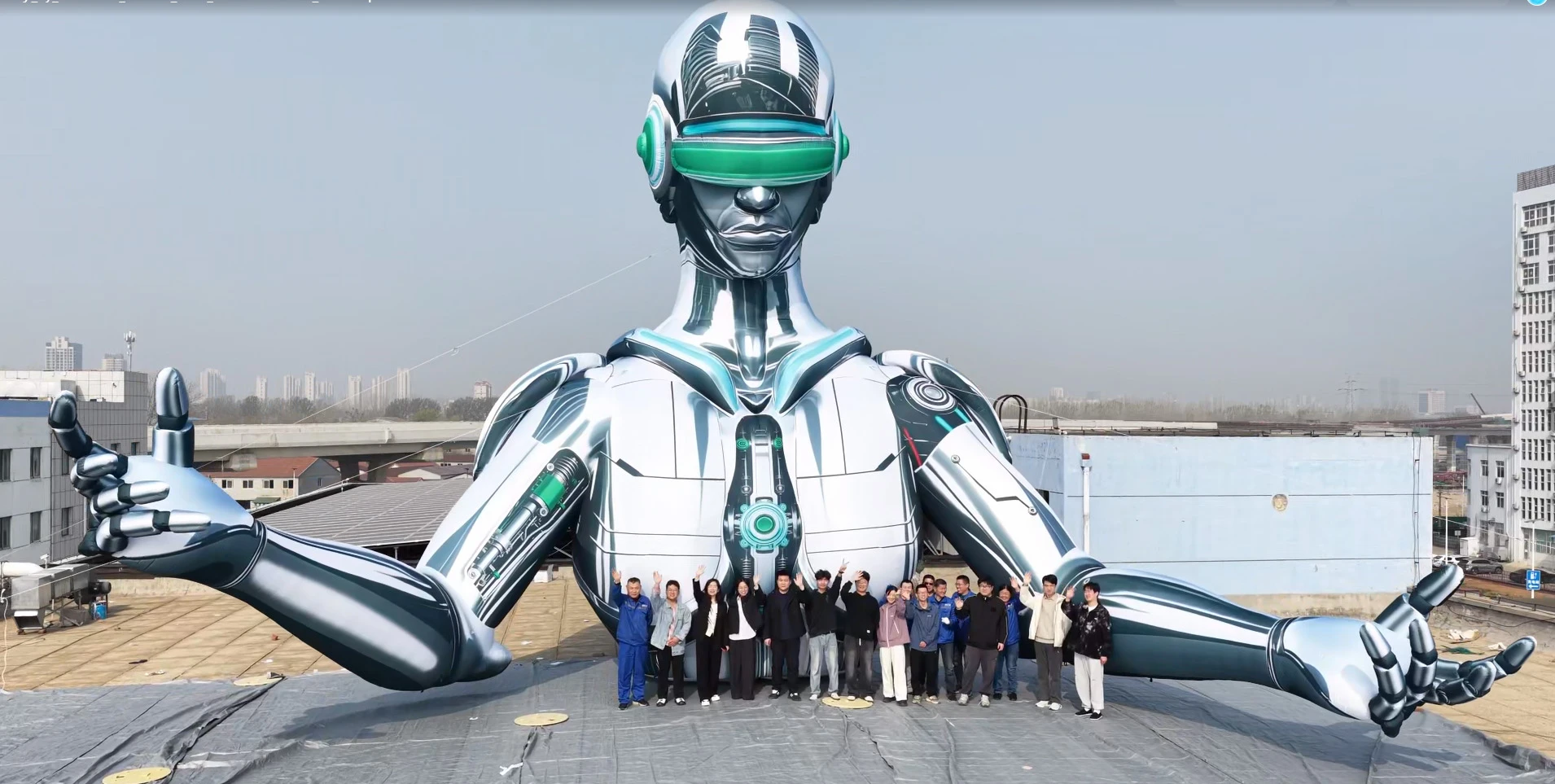
With the growing demand for inflatable tents in outdoor activities, commercial exhibitions, emergency services, and leisure tourism, manufacturing processes have become a key factor affecting product quality and user experience. Inflatable tents must not only provide quick setup and flexible applications but also meet strict production requirements to ensure structural stability, safety, and long-term durability.
Material selection is the foundation of inflatable tent manufacturing. High-quality inflatable tents are usually produced using PVC reinforced fabrics, high-strength coated materials, and professional composite textiles. During production, materials must be selected according to the intended application, operating environment, and structural requirements. These materials need to provide excellent waterproof, UV-resistant, wear-resistant, and tensile properties to maintain reliable performance under various outdoor conditions.
Cutting technology is an important step that affects the overall quality of inflatable tents. During manufacturing, materials must be precisely cut according to design specifications to ensure accurate dimensions and proper assembly of each component. Modern manufacturers often use digital cutting equipment to improve processing accuracy and reduce material waste. Proper cutting methods also ensure that air columns, doors, windows, and connection areas meet structural design requirements.
Welding and stitching processes directly influence the airtight performance of inflatable tents. Since inflatable tents rely on internal air pressure to maintain their shape, connection areas must provide strong sealing performance. Current manufacturing methods commonly include high-frequency heat sealing, hot air welding, and reinforced stitching techniques. High-quality sealing processes effectively reduce air leakage and improve operational stability.
Air column production is another core part of inflatable tent manufacturing. During production, the number, size, and layout of air columns must be carefully designed to achieve balanced force distribution. The internal air chamber structure should allow efficient airflow, enabling the tent to inflate quickly and maintain stable support during use.
The manufacturing of anchoring systems also requires strict quality control. When inflatable tents are used outdoors, ground stakes, ropes, connection points, and weight systems help improve stability. Therefore, the installation positions, material strength, and connection methods of these components must be carefully designed to enhance wind resistance and overall safety.
Surface finishing technology is also an important process for improving inflatable tent quality. Through printing, graphic coating, and heat transfer techniques, manufacturers can customize brand logos, promotional graphics, and decorative designs. High-quality surface treatments enhance visual appeal, making inflatable tents more suitable for commercial displays and promotional activities.
Quality inspection is an essential stage after production. Manufacturers typically conduct inflation tests, airtightness inspections, structural evaluations, and durability tests to ensure that products meet required standards. Strict quality control reduces potential failures during operation and improves product reliability.
With continuous advancements in manufacturing technology, inflatable tent production is moving toward greater precision, automation, and intelligence. In the future, through advanced materials, smart manufacturing equipment, and optimized production processes, inflatable tents will provide greater value in commercial events, public services, and outdoor lifestyles, offering users safer, more stable, and more efficient space solutions.


