

With the continuous development of outdoor activities, commercial promotions, emergency services, and modern lifestyles, inflatable tents have become an important choice for temporary space solutions due to their fast setup, flexible structures, and convenient transportation. Compared with traditional tents, inflatable tents not only offer higher installation efficiency but also provide more practical solutions for different fields through various structural and functional designs.
Providing temporary shelter and activity space is the most basic function of inflatable tents. Through blower systems that continuously supply air to internal air columns, inflatable tents can quickly form stable structures and create independent, safe environments for users. In outdoor camping, exhibitions, sports events, and cultural celebrations, inflatable tents can serve as rest areas, service spaces, or temporary workstations, providing strong support for different activities.
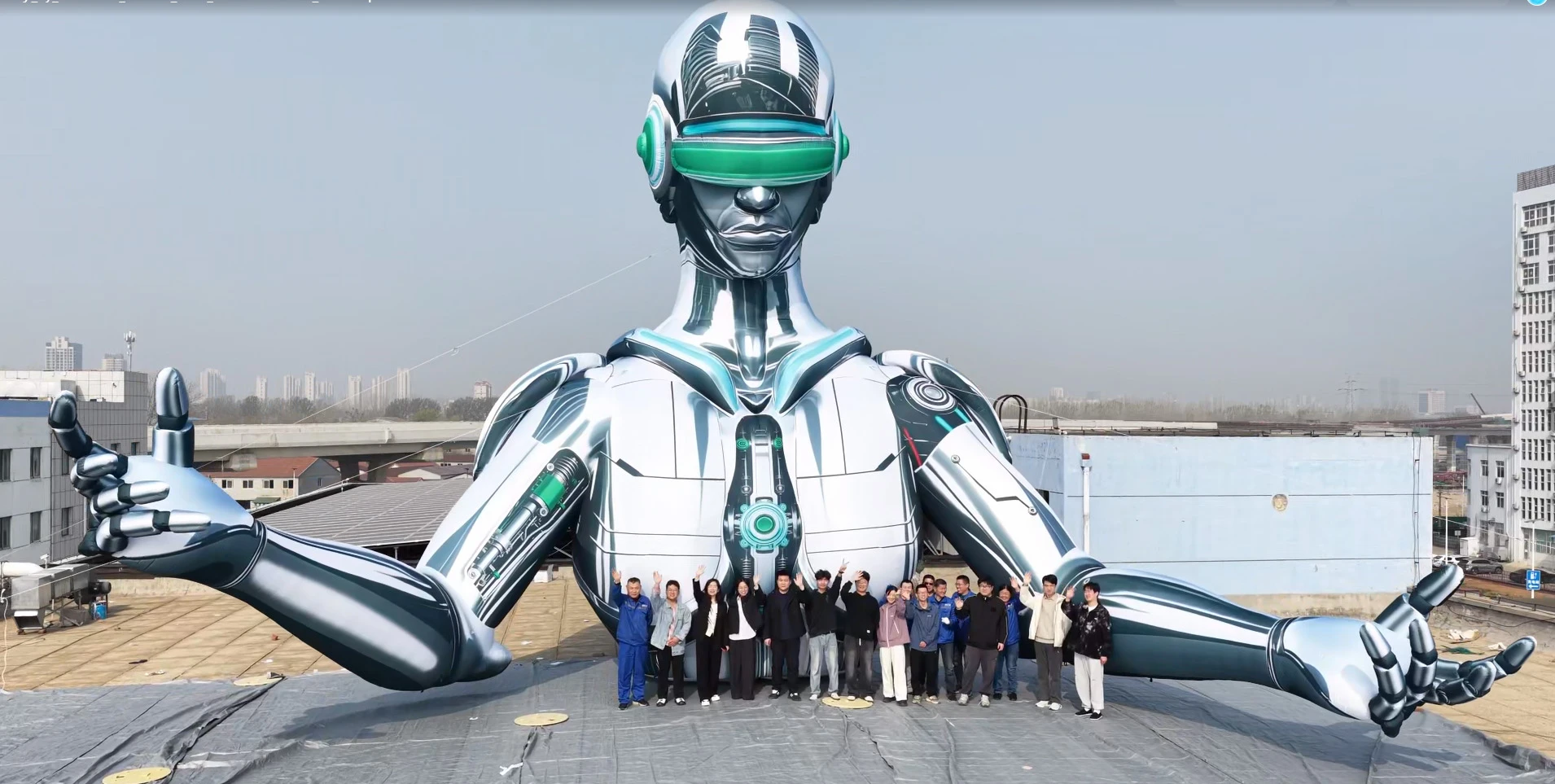
Commercial displays and brand promotion are among the most important applications of inflatable tents. With large exterior surfaces, businesses can customize designs according to their brand identity by incorporating company names, product information, logos, and event themes into the tent structure. Through unique shapes and attractive colors, inflatable tents can enhance visual appeal and improve brand communication, making them valuable tools for outdoor marketing campaigns.
Protection and weather resistance are also important functions of inflatable tents. In outdoor environments, inflatable tents can provide protection from sunlight, rain, and certain wind conditions, creating more comfortable spaces for users. Professional inflatable tents are usually manufactured with waterproof, UV-resistant, and wear-resistant materials, allowing them to perform reliably in different weather conditions.
Emergency support functions have further expanded the application range of inflatable tents. In disaster relief operations, temporary medical services, field command centers, and public safety activities, inflatable tents can be quickly deployed to provide temporary working, resting, and rescue spaces. Some professional models also offer insulation and wind-resistant features to meet the requirements of challenging environments and improve emergency response efficiency.
Inflatable tents also provide space organization and functional expansion capabilities. In large-scale events, different sizes and designs of inflatable tents can be used to divide reception areas, exhibition zones, rest spaces, and service sections, making event layouts more efficient. By adding lighting systems, display equipment, and interior decorations, inflatable tents can support a wider range of functional requirements.
In addition, recreation and leisure are important roles of inflatable tents. In camping trips, family activities, and outdoor gatherings, inflatable tents can create comfortable and attractive leisure spaces. Some specially designed products combine features such as transparent viewing windows, creative structures, and decorative lighting to provide unique outdoor experiences.
With continuous improvements in material technology and manufacturing processes, the functions of inflatable tents are developing toward greater diversity and intelligence. In the future, through advanced materials, smart control systems, and innovative designs, inflatable tents will create greater value in commercial events, public services, and outdoor lifestyles, providing users with more efficient, comfortable, and flexible space solutions.


