

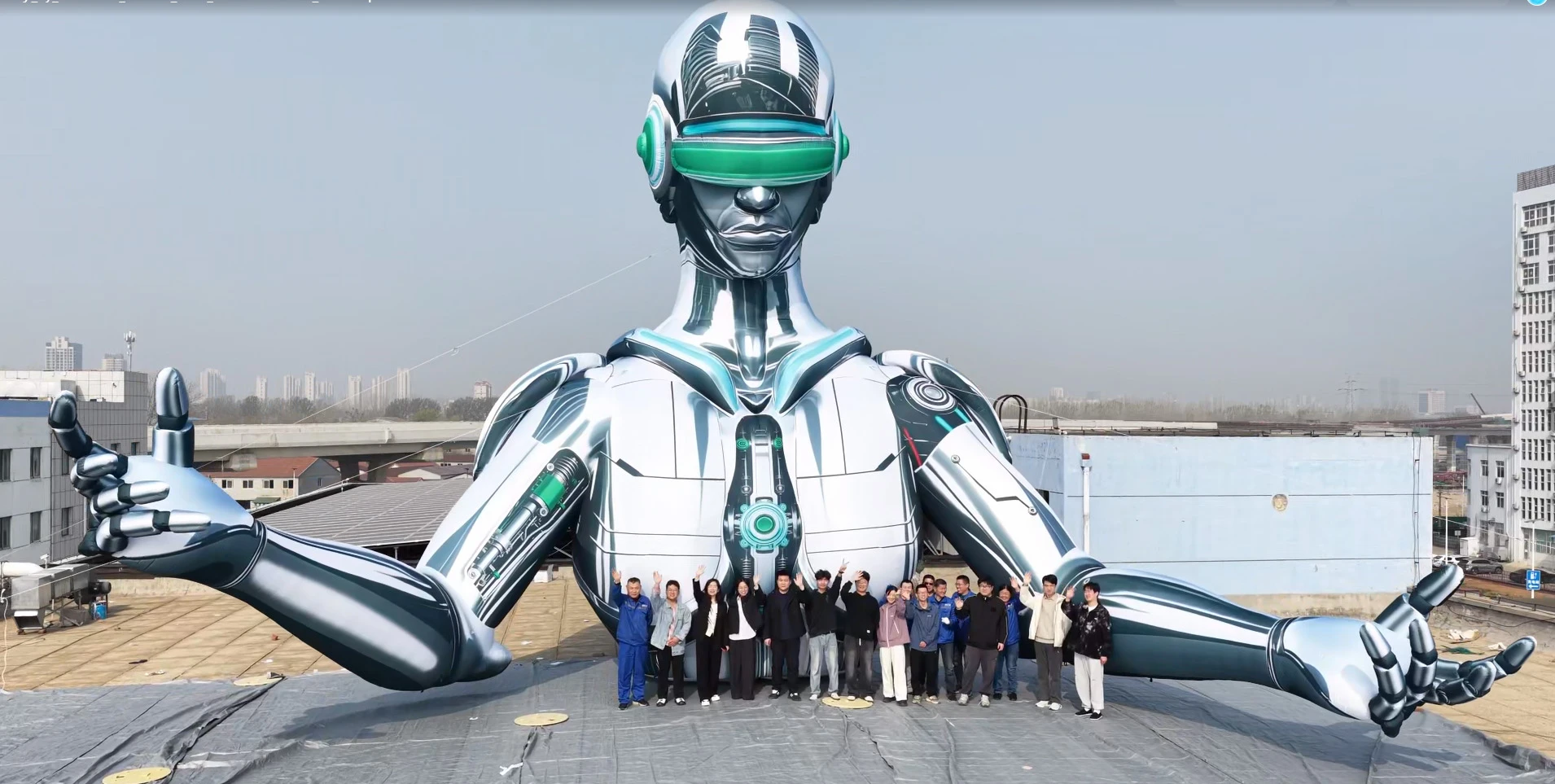
With the rapid growth of outdoor activities, commercial exhibitions, emergency services, and leisure tourism, inflatable tents have become an important temporary space solution due to their quick setup, flexible structures, and wide range of applications. To meet the needs of different environments, inflatable tent technologies continue to advance through improvements in materials, structural design, and intelligent control systems, enhancing product stability, safety, and overall performance.
Air column support technology is one of the core technologies in inflatable tent manufacturing. Unlike traditional tents that rely on metal frames, inflatable tents use internal air columns to create structural support. Through carefully designed air column arrangements, distribution methods, and pressure control, the tent can maintain balanced force distribution and a stable shape after inflation. Advanced pressure management technology also helps prevent insufficient or excessive inflation, improving operational reliability.
Material innovation plays an important role in improving inflatable tent performance. Professional inflatable tents are commonly produced using PVC reinforced fabrics, high-strength coated materials, and composite eco-friendly textiles. These materials provide waterproof, UV-resistant, wear-resistant, and tear-resistant properties, allowing tents to adapt to different outdoor environments. New material development is also moving toward lighter and stronger solutions, making inflatable tents easier to transport, install, and use over long periods.
Sealing technology is another key factor affecting inflatable tent quality. During manufacturing, processes such as high-frequency heat sealing, ultrasonic welding, and reinforced stitching are used to strengthen material connections. High-quality sealing technology effectively reduces air leakage and improves airtightness, allowing tents to maintain stable performance for extended periods. Optimized connection structures also improve durability and reduce maintenance requirements.
Structural stability technology provides an important foundation for safe inflatable tent operation. Modern inflatable tents use scientifically designed internal air chamber structures combined with anchoring systems such as ground stakes, ropes, and weight systems to improve wind resistance. In outdoor environments, proper fixing methods help reduce the impact of changing weather conditions and allow tents to maintain reliable stability in challenging situations.
The application of intelligent control technology has further improved the functionality of inflatable tents. Some advanced inflatable tents are equipped with automatic inflation systems, pressure monitoring devices, and smart blower controls, allowing automatic adjustments based on internal pressure conditions. Additional features such as LED lighting systems, intelligent illumination, and digital management functions enable inflatable tents to support more applications, including nighttime events and themed displays.
Digital design technology is also contributing to the advancement of inflatable tent manufacturing. Through three-dimensional modeling, computer-aided design, and simulation analysis, manufacturers can optimize structural layouts, spatial arrangements, and visual effects before production, improving design accuracy and manufacturing efficiency.
With continuous technological development, inflatable tent technologies are moving toward smarter, lighter, and more multifunctional solutions. In the future, through the integration of advanced materials, automated manufacturing processes, and intelligent systems, inflatable tents will play a greater role in commercial events, public services, and outdoor lifestyles, providing users with safer, more efficient, and more comfortable space solutions.


